

Substrate Wetting Additives
Improved surface wetting for smooth film formation on challenging substrates. View Catalogue (PDF)Request SamplesWhat We Solve
Poor substrate wetting can lead to cratering, pinholes, and uneven film formation — especially on low surface energy substrates or contaminated surfaces. JebChem Substrate Wetting Additives are designed to improve wetting performance, ensuring smoother films and better surface coverage in coatings and inks.
- Water-borne systems
- Solvent-borne systems
- Printing inks
- Overprint varnish (OPV) systems
Our portfolio includes both silicone and silicone-free technologies, offering tailored solutions for static and dynamic wetting requirements. Products with enhanced dynamic wetting are ideal for high-speed printing applications, while static wetting options support uniform film formation in coating systems. Silicone-free grades also offer low-foam or defoaming characteristics, supporting stable processing performance.
Why JebChem?
Enhanced wetting on low energy substrates
Static and dynamic wetting options available
Silicone and silicone-free technologies
Low-foam and defoaming grades available
RCIC-backed technical support
JebChem Technical Reports
Application-focused studies and performance evaluations from our RCIC team.
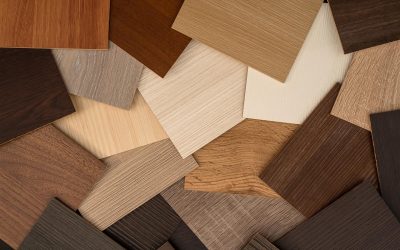
JebChem 8061 – Solvent-based High-performance Dispersing Agent
JebChem 8061 is a high-molecular weight dispersing agent with excellent wetting and dispersing properties for organic and inorganic pigments
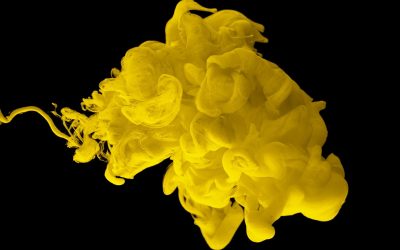
Evaluating Dispersing Agents for Yellow Oxide in Acrylic SB Systems
This report summary establishes dispersing agent performance for yellow oxide in acrylic SB systems

Introducing JebChem Matting Agents
Our matting agents provide excellent properties for all coatings related technologies, including industrial applications such as coil and wood coatings , printing inks and decorative coatings.

How to get better coating additives without losing profit
Why is balancing the performance of formulations, quality of coating additives and profit margins so challenging? We’re taking a look at a new approach to additives and this seemingly difficult balance of quality and costs.

Finding an alternative to CAB pigment chip dispersion
What are viable alternatives to costly CAB pigment chips? What kind of performance and improvements can customers gain from alternatives?