
Events
Replacing Animal Protein in Piglet Feed Formulation
Our Animal Feed & Health team, together with Hamlet Protein co-hosted two technical seminars in Vietnam. Participants learned how soy-based speciality proteins can help to replace animal protein in piglet feed formulation.
‘Feed Your Brain’ Seminars
Our technology partner Hamlet Protein is the market leader in soy-based speciality proteins for young animals. As part of the ‘Feed Your Brain’ series, industry professionals, government delegates and academia came together in Hanoi and Ho Chi Minh City to learn and participate in exciting discussions about how to replace animal protein in piglet feed formulation.
Replacing Animal Protein in Piglet Feed Formulation
Vietnam is one of the world’s top 10 pork consuming countries and stands second in Asia only to China. Like China, Vietnam is dealing with the impact of African Swine Fever (ASF) at a time where the use of antibiotics is being restricted. That forces producers to critically review farm management and feeding procedures. As nutritionists recognize the ASF risk caused by using animal protein in piglet feed formulation, alternatives are sought.
Viet Thinh, Regional Portfolio Manager for Animal Feed & Health at Jebsen & Jessen noted “Vietnamese nutritionists acknowledge animal protein as being a quality, highly digestible source for young animals. However, plant protein alternatives have emerged from public growing concern about dioxin contamination, salmonella, E. coli, and the spread of ASF. Hamlet Protein seminars provide a great opportunity for our Vietnamese integrators and feed millers to discuss and exchange ideas how to upgrade digestibility of plant protein sources, promote gut health and limit harmful bacteria, thus, reducing diarrhoea and antibiotics use”.
Soy-based Speciality Proteins for Young Animals
Lars Andersen, Hamlet Protein nutritionist, presented valuable insight on the elevated risk of using feed ingredients with possible contamination by pathogenesis organisms. Andersen also recommended nutritionists to look at the non-protein nitrogen (NPN) data when formulating for piglets. “Considering the risk of using animal protein, their increasing prices and high NPN values, producers should consider the use of highly digestible vegetable protein, such as enzyme-treated soy protein,” stated Andersen.
Andersen also provided suggestions on formulation basics, when the use of AGP and ZnO is being restricted or banned. Showing data of various trials, Andersen highlighted how a careful selection of protein sources in the piglet diets can strongly impact the efficacy of diets. “In Europe, we have been working with a restriction on AGP use for many years and are currently facing a ban on ZnO as well. At Hamlet Protein we have developed a range of products that can provide practical solutions that work for producers when formulating with these restrictions,” concluded Andersen.
Want to learn more?
Our Animal Feed & Health team regularly partners with international technology partners, such as Hamlet Protein, to conduct tailored technical seminars. Get in touch with our experts and find out when the next event will be hosted near you.
Related Articles & Trends

Guilty Free Hokkaido Milk Cake – A Better-for-You Bakery Indulgence
Discover our Guilty Free Hokkaido Milk Cake prototype – a soft and fluffy no-sugar-added cake with 6 g fibre per 100 g, designed for better-for-you bakery concepts.
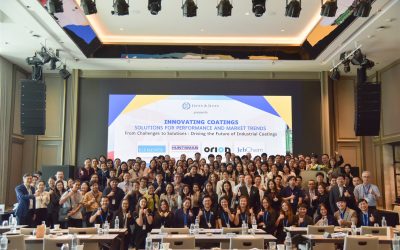
From Challenges to Solutions: Driving the Future of Industrial Coatings
Jebsen & Jessen Ingredients Thailand’s Coating & Resins team welcomed 112 paint and coatings professionals to “Innovating Coatings: Solutions for Performance and Market Trends” in Bangkok in February 2026 – our first customer technology seminar of this scale in a decade.

Crispy Milk Donut – A Multi-Texture Prototype for a More Exciting Bite
Discover our Crispy Milk Donut prototype, delivering a multi-texture experience with a crispy outside and chewy inside, developed using specialty modified starches for lasting crunch and indulgent mouthfeel.